
Invest with Confidence
Investing on your own can feel uncertain.
We make things easier by helping you understand your investments, comprehend risk, and focus on what matters most when growing and managing your wealth.
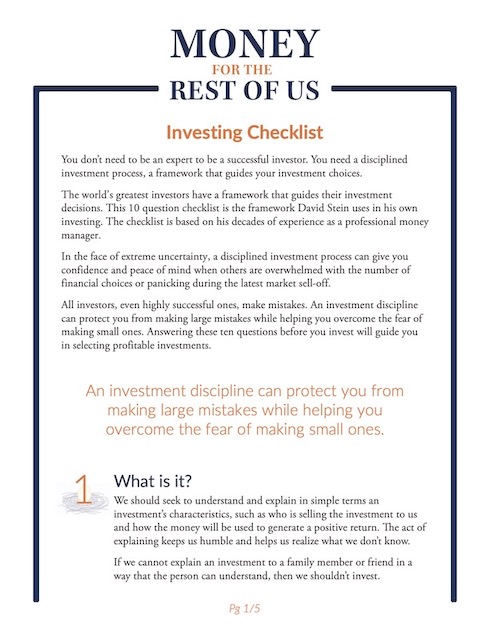
Boost Your Investing Confidence with the “Essential Money for the Rest of Us” Email Series!
- An immediate free download of our comprehensive Investing Checklist!
- Five emails with 8 Essential Investment Principles that will help your daily investment decisions
- Our recommendations for podcast episodes, articles, and books
- Our weekly investment newsletter
Featured In

“It’s investing made simple and easy.”
– Stacy J.
How We Help
Managing your own investments is often both empowering and difficult.
That’s why Money for the Rest of Us is for individual investors like us: investors who want to become more knowledgeable and confident, quieting investing concerns so that you can focus on other areas of your life.
Our resources teach and apply evergreen investment principles that help you:

Understand and Explain What You’re Investing In
Understanding what you are investing in is our rule #1. We have multiple resources to help demystify the most important asset classes for building and managing long-term wealth.
Cut Through Market Noise and Manage Your Emotions
We’re all exposed to more information than ever. That’s why we focus on principles and strategies that ground your emotions and help you know what to pay attention to.
Confidently Manage Risk and Uncertainty
Risk and uncertainty are both constants when investing. We help you manage both.
Find a Community of Like-Minded, Individual Investors
Investing on our own doesn’t mean investing alone. Our community brings together like-minded investors to share ideas, ask questions, and otherwise talk shop.
What’s the Word?
Our community members have a lot to say about what they’re experiencing!
Thanks for what you do, it’s been an essential part of my financial education

Anonymous
Podcast ListenerMax Wexler
Plus MemberDennis Trumpy
Podcast ListenerAnonymous
Podcast ListenerAnonymous
Podcast ListenerI just want to express my deep gratitude for what you do. I can tell that you genuinely care about your listener and empowering them to make better decisions . . . I think of you as my money mentor.
Anonymous
Podcast ListenerMaster the Investment Principles That Build Confidence and Empower Your Investing
Our Resources
Money for the Rest of Us offers helpful investment education content across multiple channels.
Podcast
Covering timely investment topics with evergreen principles, we help you navigate investing in weekly, 30-minute episodes.
Guides
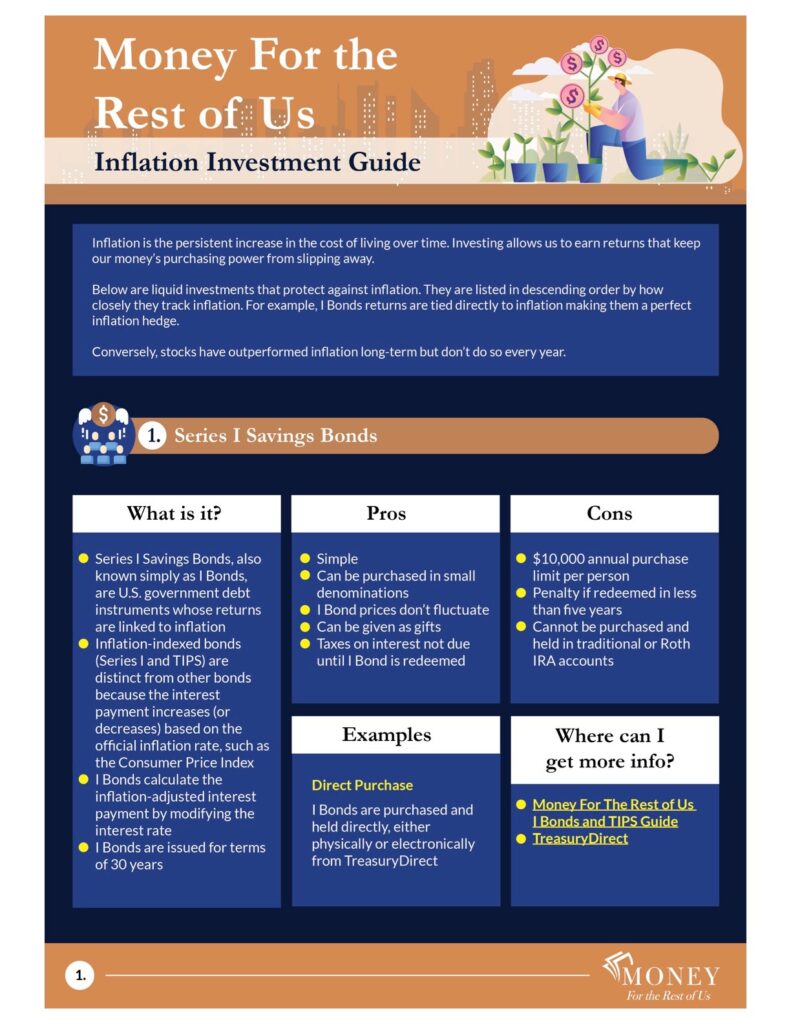
Our free, award-winning guides help you understand the big and small of investments.
Find them in the top menu on any page.
Membership

Membership in Money for the Rest of Us Plus is the best way to reduce your investment anxieties, know what the markets are doing now, and learn how to model your investment portfolio.
Book
Cover all the basics! Our book is a straightforward deep-dive into the essential investment principles everyone needs to understand to confidently invest.
Asset Camp

Asset Camp lets you break down and model past and future stock index returns so you can confidently understand your index fund portfolio and calculate what to do next.
Jumpstart Your Investment journey with Our “Essential Money for the Rest of Us” Email Series!
- An immediate free download of our comprehensive Investing Checklist!
- Five emails with 8 Essential Investment Principles that will help your daily investment decisions
- Our recommendations for podcast episodes, articles, and books
- Our weekly investment newsletter
Who We Are
Money for the Rest of Us was founded in 2014 to help individual investors better understand money and invest confidently.
Our team is guided by over 20 years of investing experience, including a former managing partner, Chief Investment Strategist, and Chief Portfolio Strategist at FEG Investment Advisors—a $15 billion investment advisory firm.

Over 22 million downloads
Money for the Rest of Us has nearly 500 standard podcast episodes, over 400 Plus premium episodes, and a collective 22+ million downloads.
Award Winning and Industry Recognized
Money for the Rest of Us is the recipient of two Plutus Awards and has been featured in Forbes, Business Insider, Investopedia and more!
Effective Resources
Our resources work. For example, 95% of our premium level Plus Members feel they now better understand financial markets and economic trends.
Standards We Follow
We don’t teach anything that we don’t believe in and use for ourselves. We take our investing resources seriously, and we’re using them right alongside you.
Ready to take your next step?
elevate your financial Confidence with Our “Essential Money for the Rest of Us” Email Series!
- An immediate free download of our comprehensive Investing Checklist!
- Five emails with 8 Essential Investment Principles that will help your daily investment decisions
- Our recommendations for podcast episodes, articles, and books
- Our weekly investment newsletter
